Guest Post at Visual Arts Junction

February 13, 2010 by Lillie 

IMG_0472In my recent interview with Aggie Villanueva, Aggie shared a little about her experiences in self-publishing. Now she’s writing a series on self-publishing at Visual Arts Junction.

I’m honored that Aggie asked me to write a guest post on finding the right editor. Even though the article is geared for self-publishing authors, writers who are seeking an editor to polish their manuscript before submitting to traditional publishers will also find helpful tips. I hope you’ll stop by and say hell0.

Read How to Find a Good Self-Publishing Editor at Visual Arts Junction.

Creative Commons License photo credit: puregin

Guest Post: 9 Ways to Promote Your Book Using Social Media by Beth Morrow

July 8, 2009 by Lillie 

Social Media LandscapeRecently, Beth Morrow at Writer-in-Progress interviewed me for her feature Story Behind the Story She agreed to reciprocate with a guest post here, and I jumped at the chance. Let’s welcome Beth and get ready to learn about promoting books through social media.

===========================================================

In the big scheme of things, I’ve noticed two types of social media impact writers more than any others: blogging and social networking sites such as MySpace, Facebook and Twitter. You can bet I was thrilled when Lillie picked social networking for the topic of this post—I’ve been messing with social media in all its forms for years and enjoy the challenge of integrating it into my writing career. First, I want to remind you of the most important element of social networking:

The human element.

Finding new ways to connect with old friends and make new ones, including new readers, is exciting. The possibilities of what you can do and how the world sees you as a creative writer increases tenfold. Never lose sight of the fact that people want to connect with you as a person first, a writer second. Just as people in the world want to connect with you on a personal level, those folks linking with you via social media want the same. Be a person first, a promoter second.

Now, for the good stuff…

Each social media form has a purpose. Discovering what works for you in each venue is a process of trial and error. Here are my thoughts and observations on how many authors use social networking to promote their works.

Blogging

1. Post Regularly to Your Blog

Sounds ridiculously simple, doesn’t it? After all, there are so many free blog hosts (WordPress, Blogger, TypePad, LiveJournal), you can’t use the excuse of expense. Blogs require input and regular posting to keep readers coming back. There’s something about the author’s mind that fascinates the general public, so if you’re short on ideas, go with that. Your blog is also a great place to answer reader questions, start a book discussion or share updates on your current work-in-progress for readers anxious for your next release.

2. Use Your Blog as a Promotional Tool

The number of ways to promo your book on your blog are practically endless. Keep a running list of your book signings, links to your work on Amazon or other online venues, links to your reviews and mentions of your work on other websites. Host a contest to win one of your back titles, and don’t forget to mention when and where you’ll have upcoming interviews and public appearances. Give readers a way they can contact you via email and snail mail. If you‘re able, offer excerpts of your work. Remember to promote your blog through email signatures and on business cards. Getting all this information into your blog is work upfront but in the long run, directing new readers to your site requires nothing more than sharing your link.

3. Use Your Blog To Socially Interact With Other Authors

Some of the best comments and emails I’ve received from readers of my blog are from writers who appreciate the interviews of other writers I host on my blog. I enjoy interacting with other authors willing to respond to my interviews because my questions all center around the process of creative writing. Ask other writers with whom you’ve established a basic writing relationship, either online or in real life, if they’d be willing to write a guest post for your blog. You can give them the topic, suggest one or mutually choose one. In return, offer to guest blog for them and allow them to post links to their website, blog and published works as part of their bio. If they don’t have time or aren’t interested, politely thank them, don’t hound them.

Facebook

4. Create a Fan Page for Yourself and/or Your Book(s)

Fan pages allow people who like your work to keep up on your releases with one click. While I’ve seen some authors create their individual page as a fan page, most choose to create a fan page for their books. Creating a fan page makes contacting folks who follow your books as simple as posting a message to your fan page. Facebook does all the legwork of getting it to the members. Can’t beat that for efficiency!

5. Link Your Blog to Facebook

With the Networked Blogs application at Facebook, you can make your blog posts do double duty as Facebook status updates. You can also link your blog with those of other friends and writers. Do a search at Facebook for the “Networked Blogs” application. It will walk you through linking your blog and inviting friends and fans as readers.

6. Announce Release Dates via Events

Using the Events program within Facebook, add your book releases, book signings and upcoming appearances to the calendar. When the day of your event arrives, all of your Facebook friends will receive a reminder. Likewise, you can send a message via the Inbox to all your friends, but this gets annoying if you regularly clutter your friends’ inboxes.

Twitter

7. Get Involved

Twitter is overwhelming at first. The best way to get comfortable is to jump in and reply to the tweets of others. Build a few meaningful relationships then branch out as you gain confidence. It’s very easy to watch the Twitter world blip by so don’t waste time: tweet back!

8. Link to Your Work

Again with the cross-promotion. Retweet your blog posts (just a title and link is the norm), mention where you’re guest blogging (again with a link), announce releases and post excerpts (do this sparingly. Remember, people want you to come through on Twitter, not a publicity-seeking bot). In your Twitter profile, list your Facebook name, website and blog URLs. The more traffic you get to your webpage and your work, the more sales you’ll have.

9. Find Author Gigs

I’ve seen numerous tweets from people seeking guest speakers for their organization, other authors and journalists looking for interview subjects, PR folks looking for contacts on short notice. I’ve even heard of magazine editors seeking authors to write articles on content from their books. Your position as a published author will open doors in other areas you may never have considered. Always be willing to put yourself out there in the name of promoting your work.

The onslaught of social media is both a blessing and a curse. It’s hard enough finding the time to sit down and write some days–who wants to spend that precious time on a computer? On the other hand, social networking is free, effective and targeted to readers. Reaching new readers from the comfort of your couch—what could be easier?

About the Author

Beth Morrow is a freelance author, writing workshop presenter and social media junkie.  Visit her blog for writers at: www.writer-in-progress.com, join her at Face book (Beth Frazee Morrow) and follow her at Twitter (@Buckeye_BethM). She loves questions on social media, so don’t be shy. :-)
=========================================================
I know you’ll have questions for Beth, and she’ll be glad to answer questions left in comments. However, because of family illness, there may be a delay in her response.

Creative Commons License photo credit: Tech Writer Boy.

Guest Post: Building Your Writer Platform Online by Jennifer Mattern

February 9, 2009 by Lillie 

Help me welcome freelance business writer and blogger Jennifer Mattern. I think you’ll find her guest post on building a writer platform helpful. At the end of the post, you will find a discount code to save $10 on her latest e-book.
=================================================================

5 Ways to Build Your Writer Platform Online

Whether you’re an author with an upcoming book to promote or a freelance writer needing to attract a constant stream of clients, it’s in your best interest to start developing your writer platform as early as possible. The Web makes building a writing platform (sometimes called an author platform) easier than you might think.

What is a Writer Platform?

A writer platform is simply the existing demand for your book, articles, or other forms of writing, before they’re produced. Let’s look at an author for example:

If they had no writer platform, there would be no existing demand for their book—very few people would know anything about it to anticipate its launch. If that author had developed an author platform, however, that demand would exist. Potential buyers would already know the author’s name, know what they write, and they would have that anticipation to buy (in the case of freelancers and nonfiction authors, that platform also builds trust in the writer’s expertise).

In other words, building a writer platform is a matter of promoting yourself as a writer, so people know, trust, and like you enough to want to buy what you sell later on.

Here are five things you can do to start building your own writer platform on the Web.

How to Build a Writing Platform Online

  1. Start a Blog—A blog is an excellent way to build an audience with a direct interest in your niche. For example, a freelance copywriter might start a blog evaluating advertising from others (commercials, print ads, slogans, etc.). For a blog to have real value in your writer platform, it needs to have a relatively large following. Because of this, you should start your blog well in advance of when you hope to reap the promotional benefits. Don’t have the time? Consider blogging as a guest blogger or staff blogger for a large blog in your niche (one where you’ll have access to subscribers to mention your book launch, services, etc. for promotional purposes if at all possible).
  2. Get Interviewed—A big part of building a writer platform is being publicly treated as an expert in your niche by others. One of the best, and easiest, ways to do this online is to secure interviews. Get bloggers to interview you, or consider audio interviews by pitching yourself and story ideas to relevant podcasts or Internet radio shows (try services like BlogTalkRadio to find audio interview opportunities). Want something steadier? Consider hosting your own radio show or podcast.
  3. Start an Email Newsletter—Newsletters are a wonderful online addition to your writer platform. Why? Because you get to build a regular subscriber list—people who follow what you say and who are potential buyers for any future products or services you may release. A newsletter has value as a part of an author platform, though, only if the subscriber base is significant. Another option is to advertise in, or write for, another newsletter in the niche.
  4. Use the Web as a Teaching Tool—Teaching others is a good way to demonstrate your knowledge and build trust and interest in your work. You can do this online by setting up email courses (such as through a simple autoresponder), by offering online coaching sessions, or even running webinars in your area of expertise.
  5. Get Published Online—Whether you traditionally write online or not, you can use Web-based publishing credits to build more exposure for your own name, therefore increasing interest in future projects. This can be especially important for print writers who have no existing search engine presence. For example, if you earn your living ghostwriting finance articles, having bylined credits on large finance and business websites can be attractive to your potential clients. Another option is to publish e-books or reports distributed online to promote the later release of a traditional book in the niche.

Opportunities to build and grow your writer or author platform on the Web are practically endless. Online publishing, social media (microblogging, social networking, etc.), and the rise of audio-visual promotional tools make the Web an ideal place to reach out to members of your target market, no matter what kind of writer you are.

About the Author

Jennifer MatternJennifer Mattern is a freelance business writer and blogger behind AllFreelanceWriting.com and AllBookMarketing.com. She is also the author of the Web Writer’s Guide e-book, designed to help freelance writers launch a successful Web writing career.

Save $10 on the Web Writer’s Guide e-book by entering discount code “lillie” (without the quotes) during the next 30 days!

Guest Post at Straight from Hel: How Things Change

November 13, 2008 by Lillie 

Helen Ginger is hosting me at Straight from Hel again today with my guest post: How Things Change—Editing a Manuscript Ten Years Later. Helen read the manuscript before it was published and gave me some valuable suggestions. In my post, I talk about some of the changes I had to make in the story because of technology advances from the time I wrote the book until it was published. Stop by for a visit—I’ll be available during the day to answer questions.

A Twisted Tale of Cover Art at The Dark Phantom Review

November 11, 2008 by Lillie 

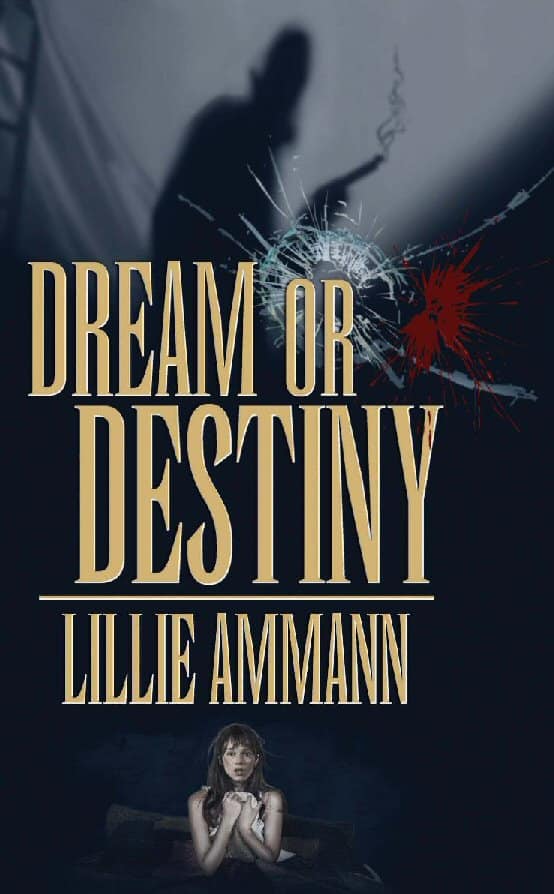
The cover art for Dream or Destiny is the topic for today’s blog book tour stop at The Dark Phantom Review. Mayra Calvani is hosting my guest post: A Twisted Tale of Cover Art. If you’ve read the book or even the free excerpt, you know this cover is perfect for the story. But it didn’t start out that way, and the twisted tale describes how it evolved.

Guest Post Follow-Up

July 8, 2008 by Lillie 

At the beginning of June, I let you know that I had written a guest post at John Hewitt’s Poewar: Writer’s Resource Center.

Today, I learned I had won the prize in John’s guest post contest.

 In his announcement at  John wrote:

 … we had a very clear winner for the contest. The average article received about 500 direct page views in the seven days that followed publication. Almost every article stayed within 100 hits of that figure, one way or the other. Lillie Ammann’s article, however, received almost 14,000 hits the first week. That same article went on to rack up 29,000 hits after 30 days.

How did that happen? StumbleUpon. The article was well-reviewed by the people on StumbleUpon, and good reviews translate into page views. That is the power of social media.

There were many excellent guest posts during the month of June, and I’m amazed and thrilled that my post got so much traffic. Thanks to everyone who reviewed the article on StumbleUpon (even the negative reviews!), to everyone who commented, and to everyone who read the post.

Now if I can just figure out how to get that many page views on this blog!

Guest Post at Poewar: Get Rid of Ugly Wordiness

June 2, 2008 by Lillie 

John Hewitt of Poewar.com Writers Resource Center is taking a vacation and has lined up 21 guest bloggers for the month of June. My post Get Rid of Ugly Wordiness: How to Cut Your Novel Down to Size appears today.

John wrote:

[The guest bloggers] are involved in a friendly competition to see who can get the most response, so please be kind to them. Read their articles. Leave lots of encouraging comments. If you find an article you particularly like, link to it or promote it through your favorite social media. The article that gets the best response wins $250, so I know these bloggers will appreciate any help you can give them.

I hope you’ll visit Poewar and read my guest post (as well as the other posts throughout the month).

[tags]Poewar, editing[/tags]